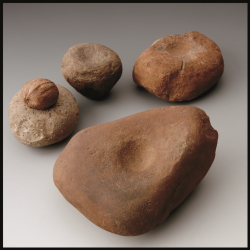
 Early peoples broke
nutshells with rocks or “nutting stones”. They would
place the nut in a pitted stone to hold it in place and strike it
with another stone called a “hammer stone”. In the
autumn they would camp near the nut trees so they could gather the
nuts as they fell before the squirrels or other animals would get
them. Early peoples broke
nutshells with rocks or “nutting stones”. They would
place the nut in a pitted stone to hold it in place and strike it
with another stone called a “hammer stone”. In the
autumn they would camp near the nut trees so they could gather the
nuts as they fell before the squirrels or other animals would get
them.
WOOD
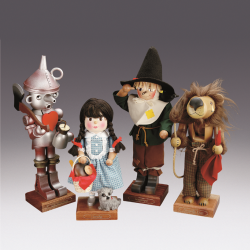 Linden is
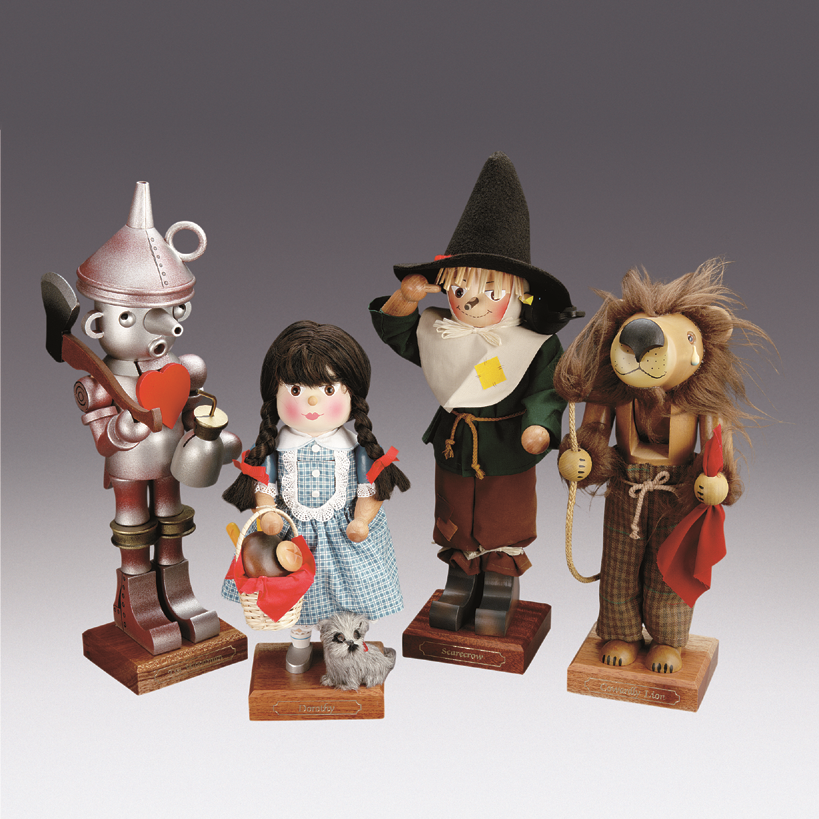
the wood must often used to make the wooden toy soldier nutcracker
as it is easy to turn on the lathe, but birch, beech and other woods
are also used. Softer woods such as pine or fir are
not as durable and it takes a strong wood to make a nutcracker!
For turning the wood on a lathe, it must have an even and
clear grain. It must not have knots as that will dull
the cutting blade. Linden is
the wood must often used to make the wooden toy soldier nutcracker
as it is easy to turn on the lathe, but birch, beech and other woods
are also used. Softer woods such as pine or fir are
not as durable and it takes a strong wood to make a nutcracker!
For turning the wood on a lathe, it must have an even and
clear grain. It must not have knots as that will dull
the cutting blade.
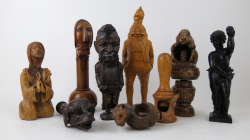 Boxwood is
the favorite wood of carvers. It is a golden color,
easy to carve, and very durable. Nutcrackers carved
400 to 500 years ago are still beautiful today. Other
woods used by carvers are beech, maple, walnut, linden, rosewood or
fruitwoods. There are some nutcrackers carved of
ebony, a wood so hard it will not float in water. Boxwood is
the favorite wood of carvers. It is a golden color,
easy to carve, and very durable. Nutcrackers carved
400 to 500 years ago are still beautiful today. Other
woods used by carvers are beech, maple, walnut, linden, rosewood or
fruitwoods. There are some nutcrackers carved of
ebony, a wood so hard it will not float in water.
METALS
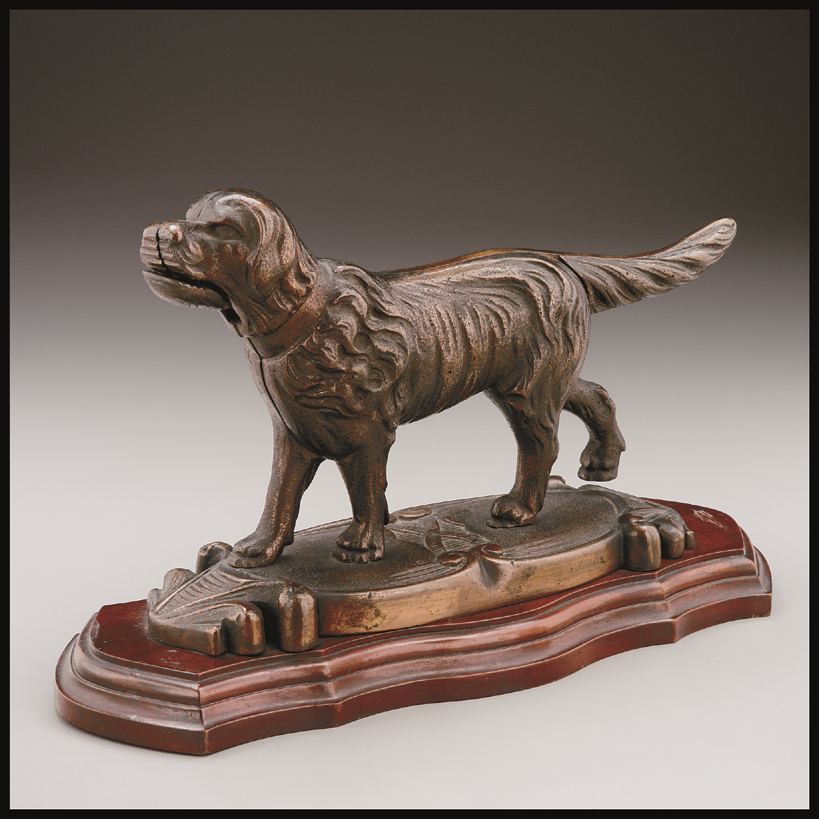
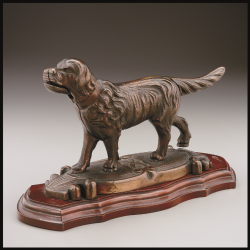 Bronze is
an alloy of copper and tin and is one of the oldest metals used for
nutcrackers. A museum in Taren, Italy, displays a
bronze nutcracker shaped as a pair of hands that was created over
2500 years ago. The Leavenworth Nutcracker Museum
displays a bronze nutcracker from Roman times. Bronze is
an alloy of copper and tin and is one of the oldest metals used for
nutcrackers. A museum in Taren, Italy, displays a
bronze nutcracker shaped as a pair of hands that was created over
2500 years ago. The Leavenworth Nutcracker Museum
displays a bronze nutcracker from Roman times.
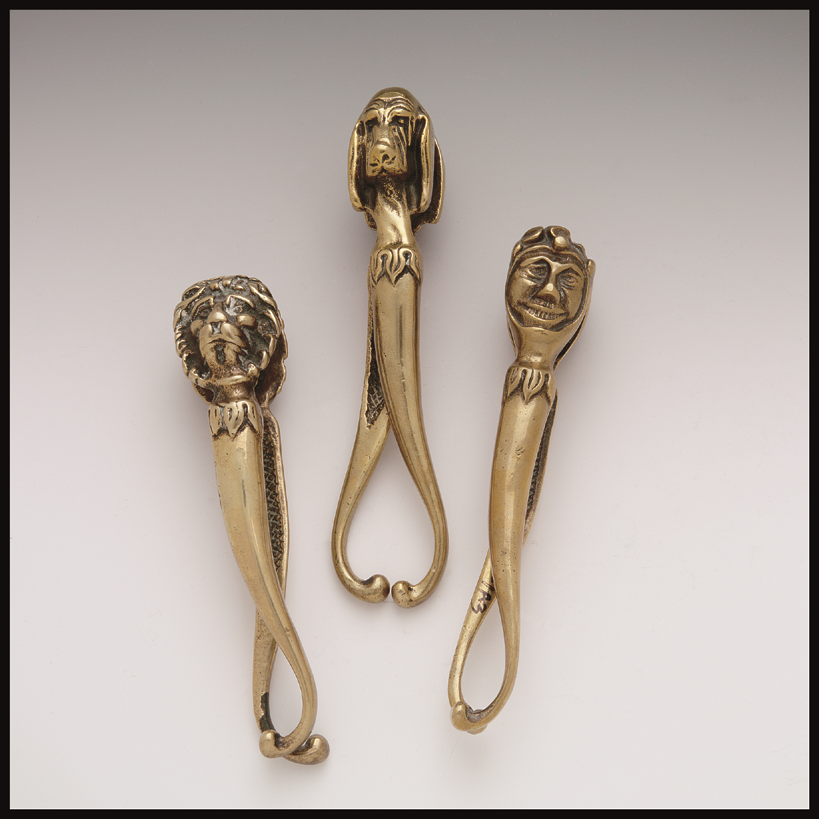
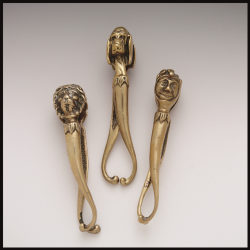 Brass, an
alloy of zinc and copper, has been used t make
nutcrackers since the 15th century and you
can tell brass items by their beautiful golden color. You
can still find many nutcrackers that were made in England In the 18th and
19th centuries when Birmingham
was the center for brass production. Brass, an
alloy of zinc and copper, has been used t make
nutcrackers since the 15th century and you
can tell brass items by their beautiful golden color. You
can still find many nutcrackers that were made in England In the 18th and
19th centuries when Birmingham
was the center for brass production.
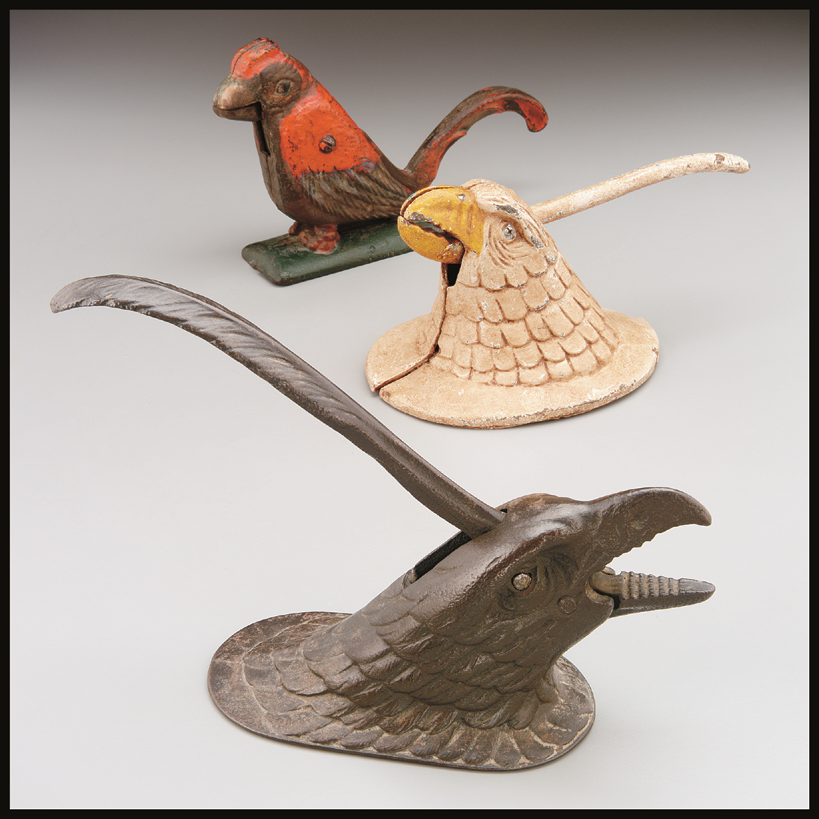
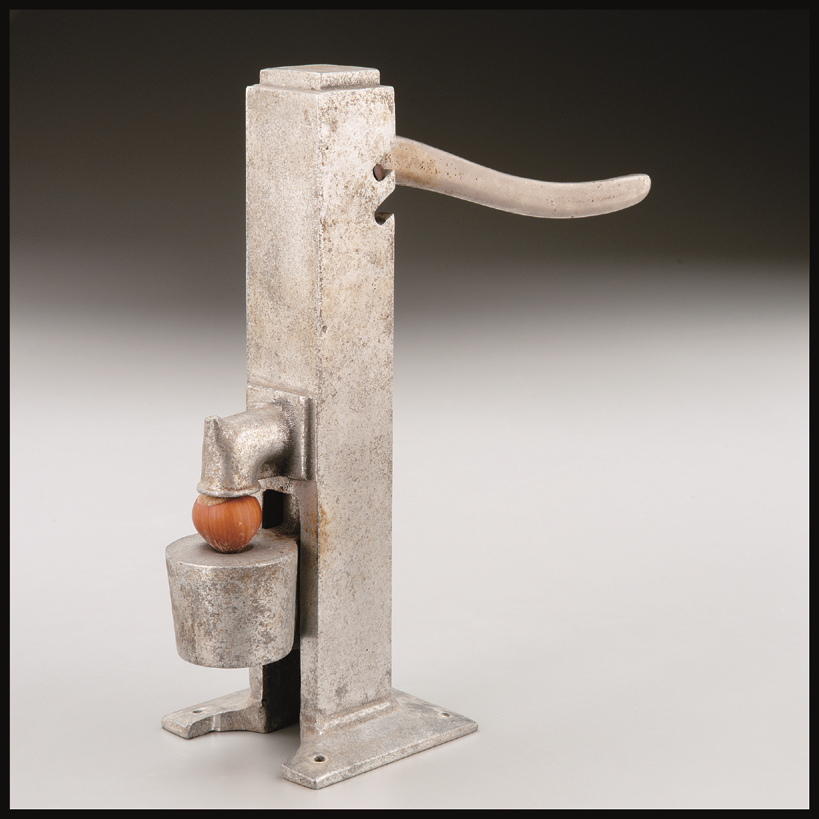
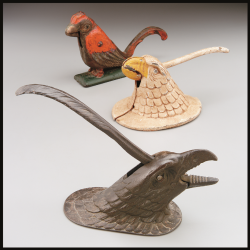 Iron nutcrackers
have been made for many centuries. The nutcrackers in
this picture were made by pouring hot liquid iron into a mold. These
are called “cast iron”. Other nutcrackers may be
“hand wrought” which means the metal is manually beaten into the
desired shape. A man working with iron is called a
blacksmith. Iron nutcrackers
have been made for many centuries. The nutcrackers in
this picture were made by pouring hot liquid iron into a mold. These
are called “cast iron”. Other nutcrackers may be
“hand wrought” which means the metal is manually beaten into the
desired shape. A man working with iron is called a
blacksmith.
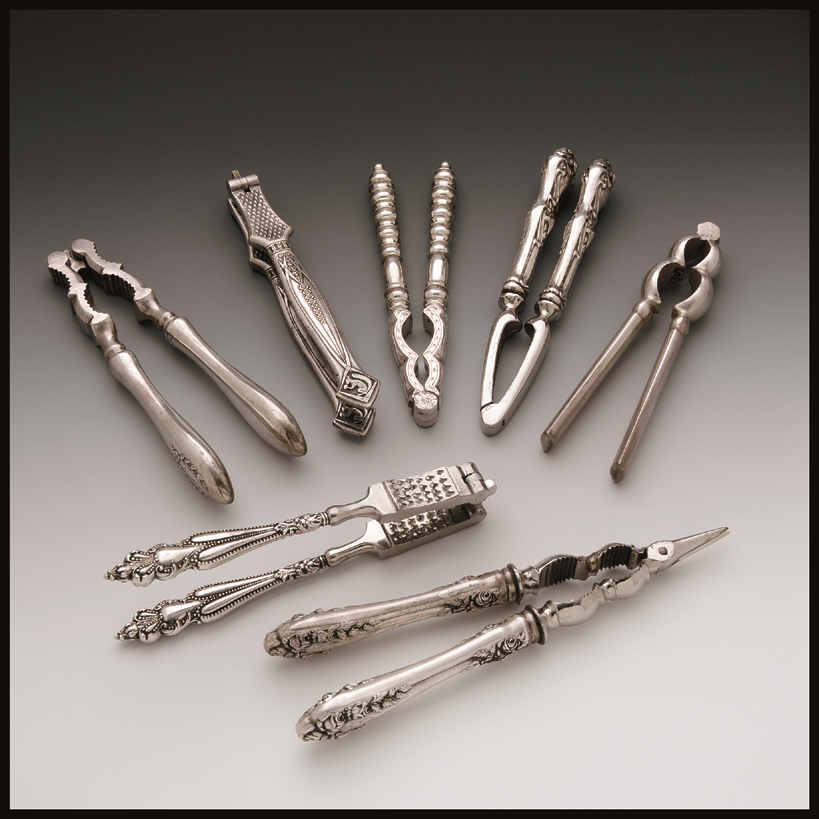
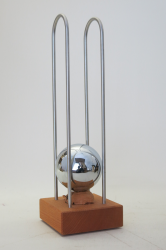 Steel is
iron that has most of its impurities removed and has a high carbon
content which makes it much stronger than iron. Stainless
steel has chromium added so it will not rust. You will
see the shine on these nutcrackers pictured. Steel is
iron that has most of its impurities removed and has a high carbon
content which makes it much stronger than iron. Stainless
steel has chromium added so it will not rust. You will
see the shine on these nutcrackers pictured.
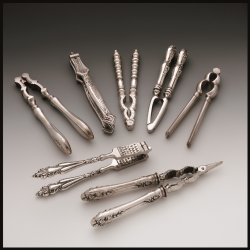 Silver is
too soft a metal to withstand the pressure needed to crack a nut so
there are very few of them made of solid silver. However
there are many iron and brass nutcrackers that are coated or
“plated” with silver. Other nutcrackers are plated
with nickel or chrome to give the appearance of silver. Silver is
too soft a metal to withstand the pressure needed to crack a nut so
there are very few of them made of solid silver. However
there are many iron and brass nutcrackers that are coated or
“plated” with silver. Other nutcrackers are plated
with nickel or chrome to give the appearance of silver.
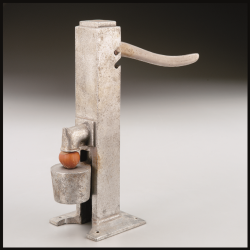 Aluminum is
a newer metal that not developed until the 19th century. It
is a light-weight metal that is strong, easily worked, resists
corrosion, and has a pleasing silver-white color. It
is used in many different ways from the foil we use in the kitchen
to the bodies of airplanes. And yes, you can find
many nutcrackers made out of aluminum. Aluminum is
a newer metal that not developed until the 19th century. It
is a light-weight metal that is strong, easily worked, resists
corrosion, and has a pleasing silver-white color. It
is used in many different ways from the foil we use in the kitchen
to the bodies of airplanes. And yes, you can find
many nutcrackers made out of aluminum.
IVORY
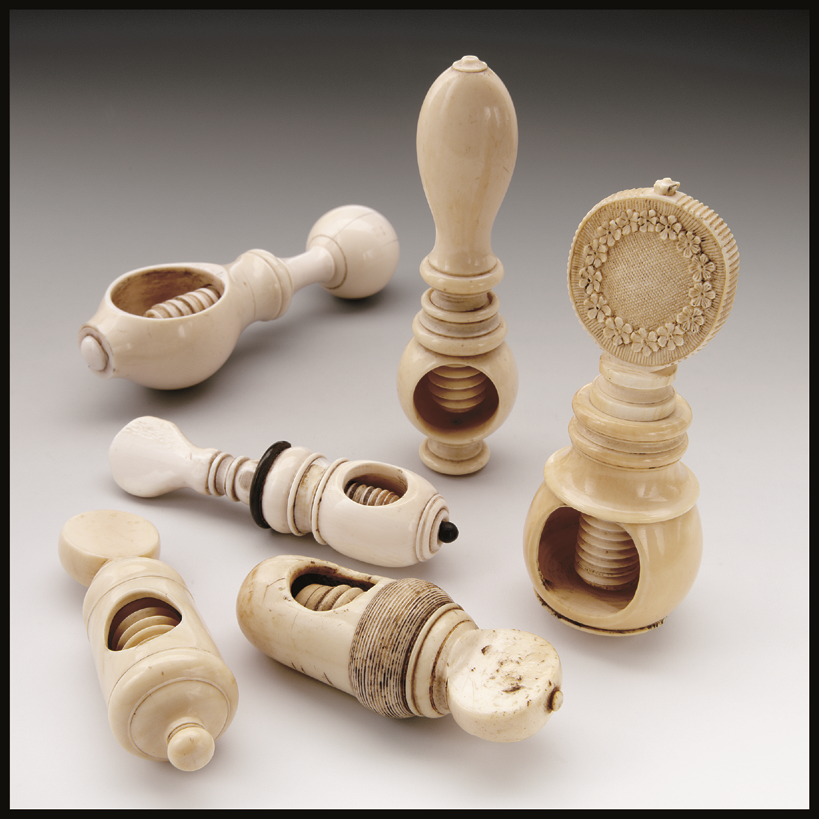
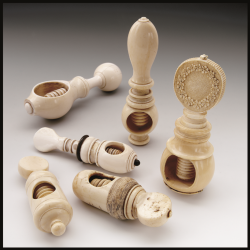 Ivory is
not a strong material so it is usually used for screw nutcrackers
where pressure is applied more gently. Most ivory
nutcrackers are from elephant tusks, but tusks from walrus and
narwhal are also made. Many lever table nutcrackers
use ivory to decorate the handles, and ivory trim is sometimes used
on carved nutcrackers. Ivory is
not a strong material so it is usually used for screw nutcrackers
where pressure is applied more gently. Most ivory
nutcrackers are from elephant tusks, but tusks from walrus and
narwhal are also made. Many lever table nutcrackers
use ivory to decorate the handles, and ivory trim is sometimes used
on carved nutcrackers.
PORCELAIN
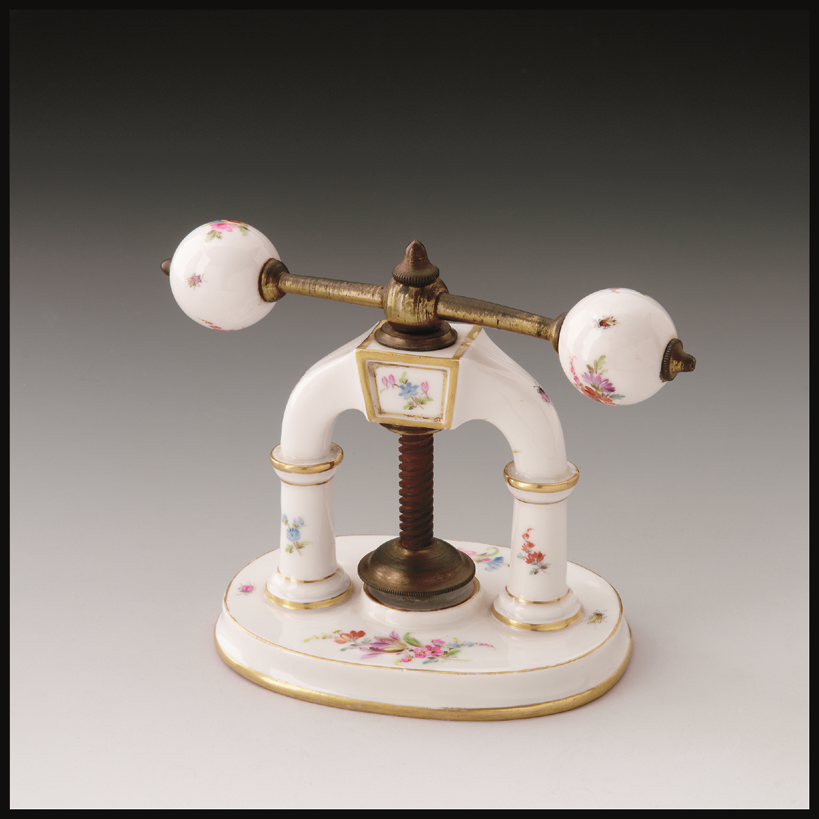
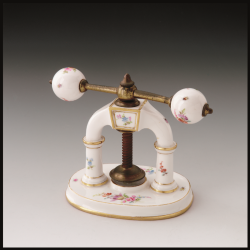 Although many table
nutcrackers are said to be made of porcelain, only the base and
frame are porcelain with actual working parts being made of metal. Several
porcelain factories made these nutcrackers during the Victorian
times, including the famous Meissen workshops. Although many table
nutcrackers are said to be made of porcelain, only the base and
frame are porcelain with actual working parts being made of metal. Several
porcelain factories made these nutcrackers during the Victorian
times, including the famous Meissen workshops.
MODERN MATERIALS
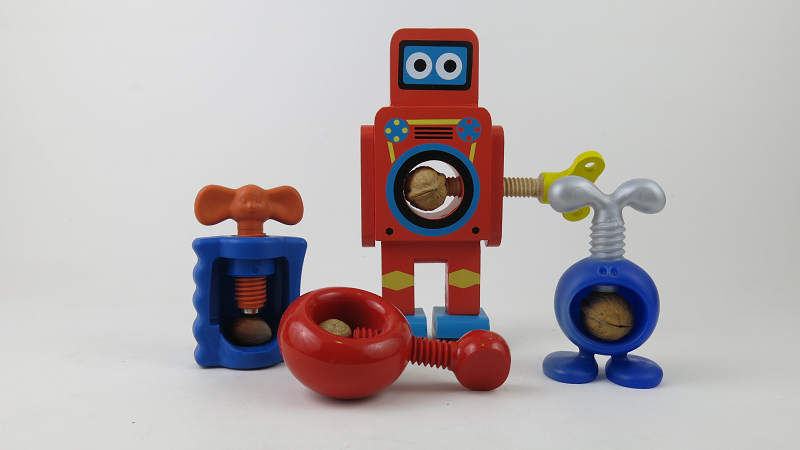
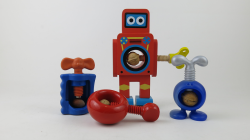 Plastic is
the term generally used for the new synthetic materials. They
are strong, light-weight, and can be made in many attractive colors. Several
manufacturers are making nutcrackers especially for children in
interesting designs and bold colors. Plastic is
the term generally used for the new synthetic materials. They
are strong, light-weight, and can be made in many attractive colors. Several
manufacturers are making nutcrackers especially for children in
interesting designs and bold colors.
|

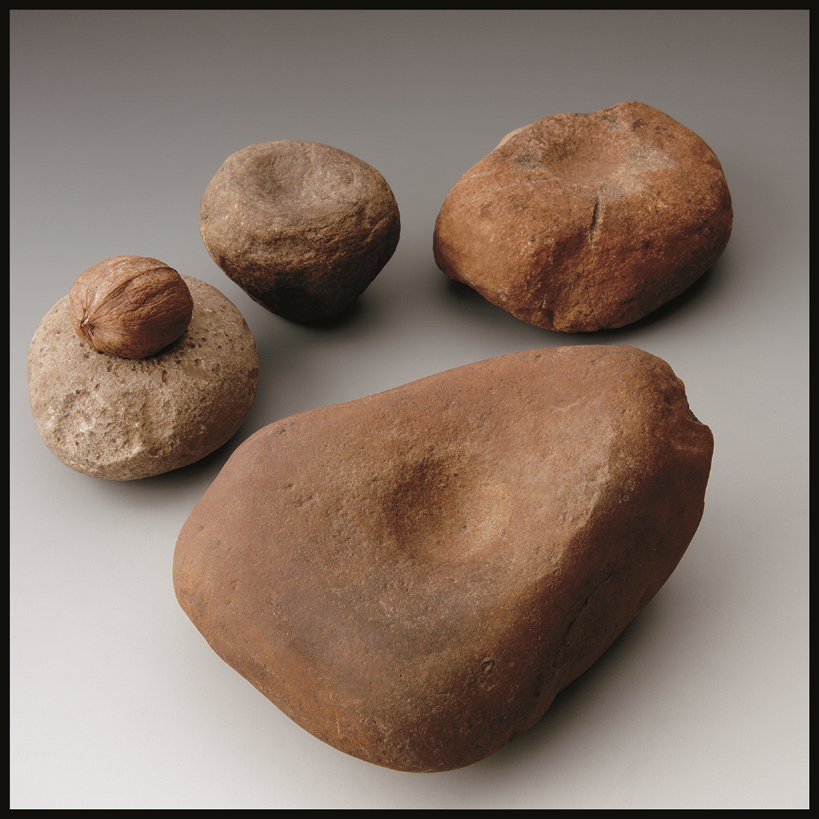 Early peoples broke
nutshells with rocks or “nutting stones”. They would
place the nut in a pitted stone to hold it in place and strike it
with another stone called a “hammer stone”. In the
autumn they would camp near the nut trees so they could gather the
nuts as they fell before the squirrels or other animals would get
them.
Early peoples broke
nutshells with rocks or “nutting stones”. They would
place the nut in a pitted stone to hold it in place and strike it
with another stone called a “hammer stone”. In the
autumn they would camp near the nut trees so they could gather the
nuts as they fell before the squirrels or other animals would get
them.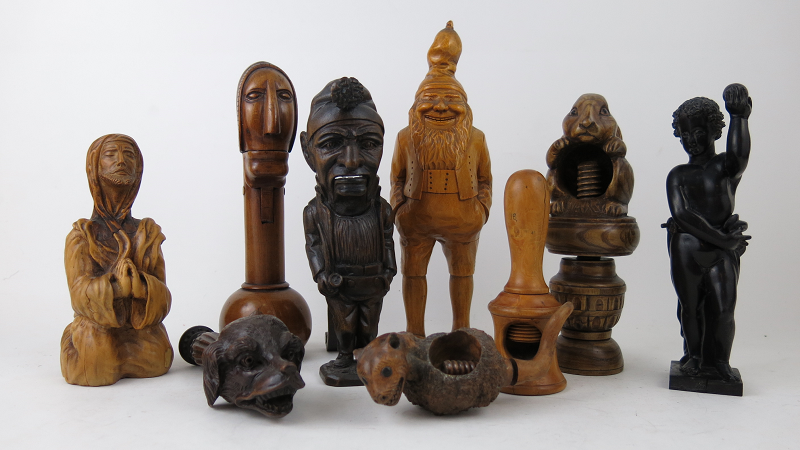 Boxwood is
the favorite wood of carvers. It is a golden color,
easy to carve, and very durable. Nutcrackers carved
400 to 500 years ago are still beautiful today. Other
woods used by carvers are beech, maple, walnut, linden, rosewood or
fruitwoods. There are some nutcrackers carved of
ebony, a wood so hard it will not float in water.
Boxwood is
the favorite wood of carvers. It is a golden color,
easy to carve, and very durable. Nutcrackers carved
400 to 500 years ago are still beautiful today. Other
woods used by carvers are beech, maple, walnut, linden, rosewood or
fruitwoods. There are some nutcrackers carved of
ebony, a wood so hard it will not float in water.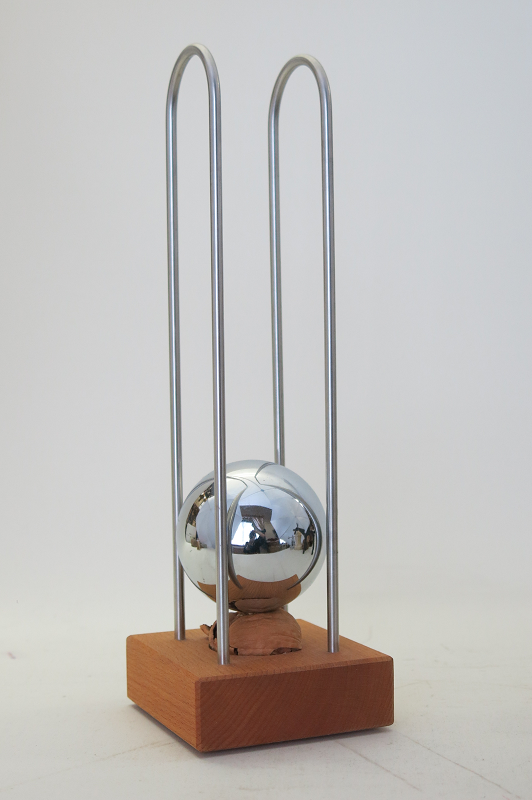 Steel is
iron that has most of its impurities removed and has a high carbon
content which makes it much stronger than iron. Stainless
steel has chromium added so it will not rust. You will
see the shine on these nutcrackers pictured.
Steel is
iron that has most of its impurities removed and has a high carbon
content which makes it much stronger than iron. Stainless
steel has chromium added so it will not rust. You will
see the shine on these nutcrackers pictured.